Shahreza CC
- Project Information:
- Function / Typology: general(Office Building)
- Location: shahreza -isfahan -iran
- Built-up Area: 750 m²
- Project Status: Phase One
- Client: Isfahan chamber of commers
- Year of Design / Construction: 2024
- Project Team:
- Principal Architect: Amir Farshad Ghaffarzadeh
- Project Architect : Hedieh Yousefi - Kimiya Noroozi
Shahreza chamber of commerce
Urban Context
One of the main issues in the physical structure of Shahreza is the excessive urban sprawl and the large amount of unused land within existing developments. This uncontrolled and often illegal construction in agricultural areas has resulted in a dispersed and incoherent urban fabric, while the historic core of the city has lost its vitality, becoming neglected and abandoned. As a result, the logical and spatial connection between the historic center and the newer parts of the city has been disrupted.
The Central Courtyard
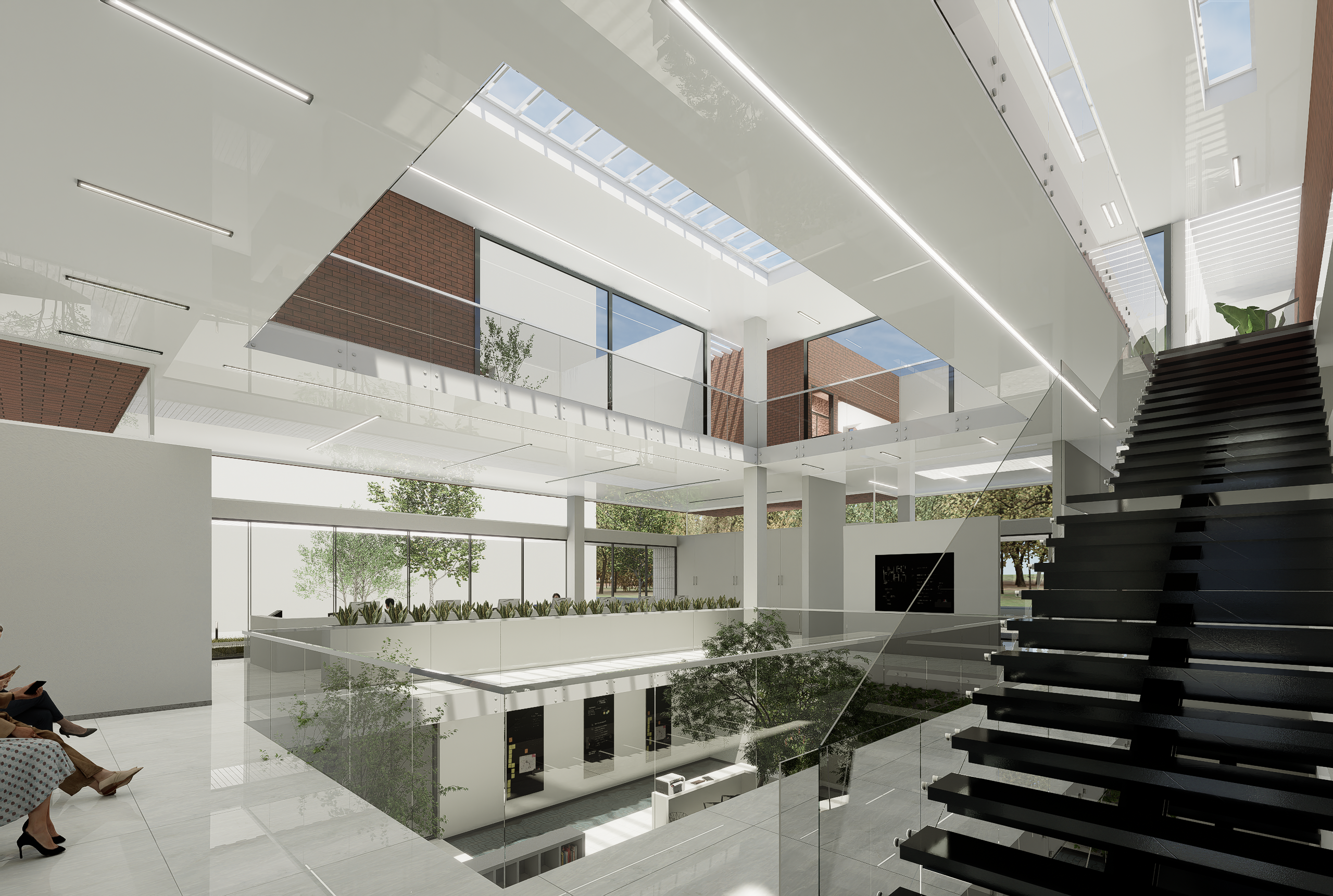
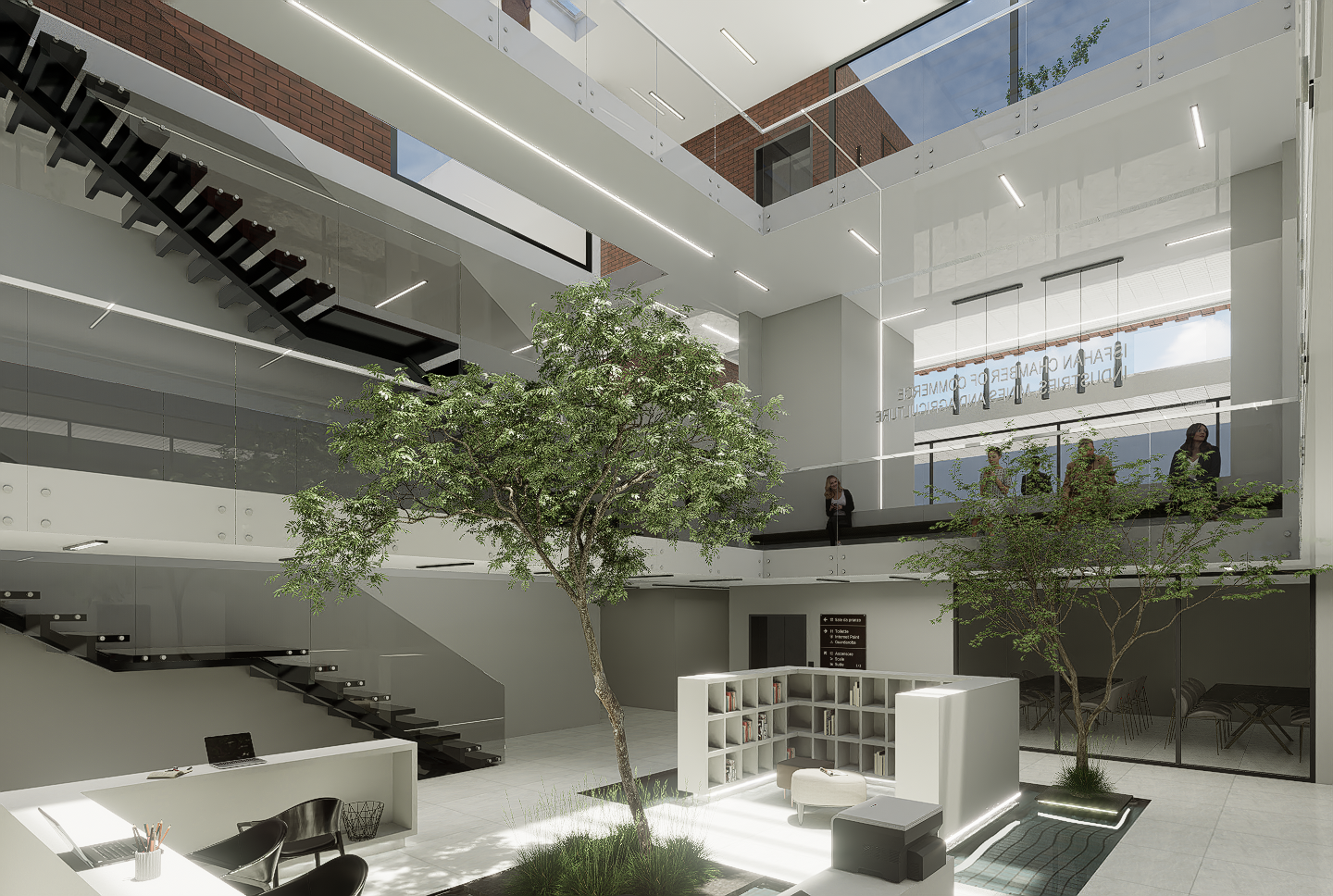
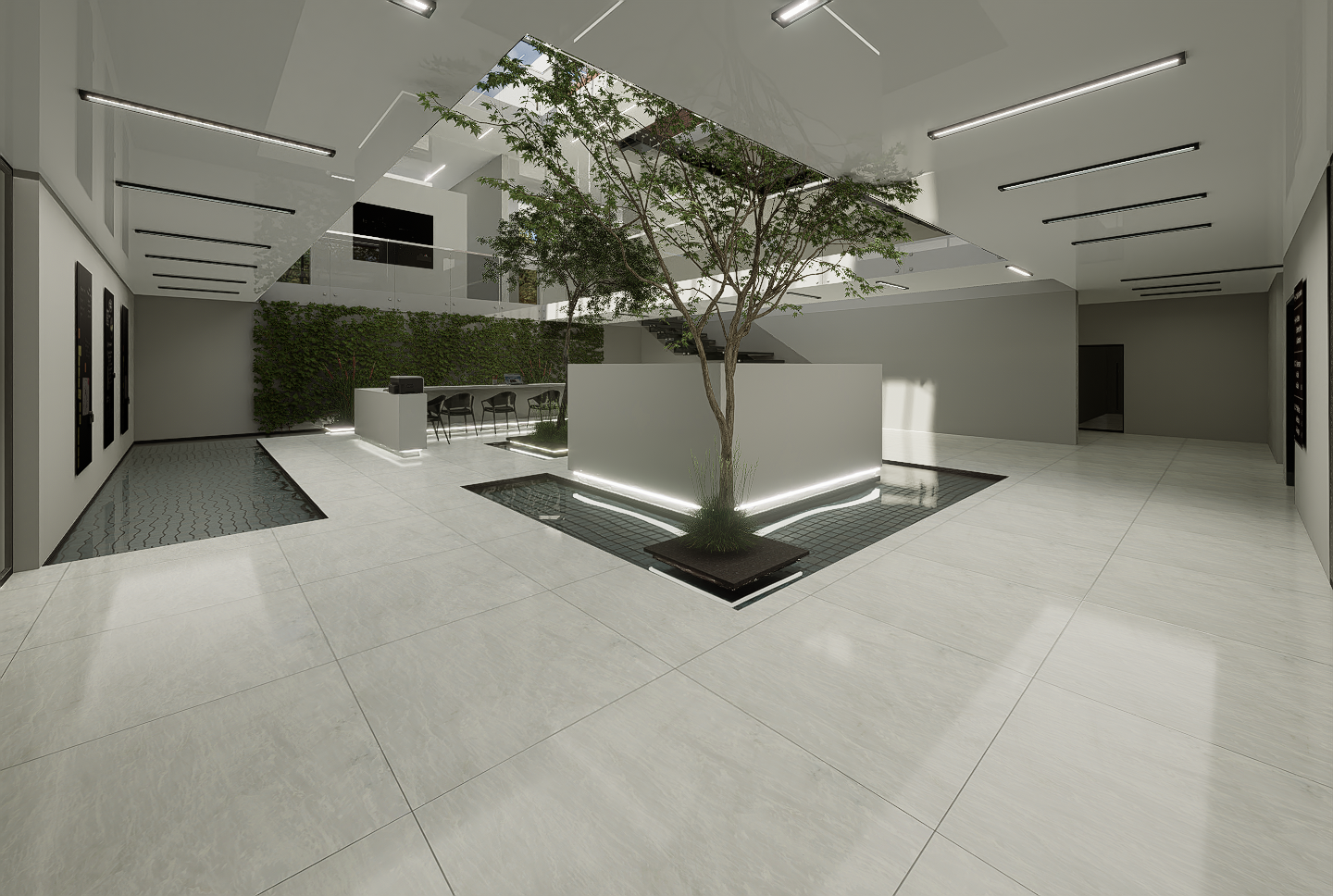
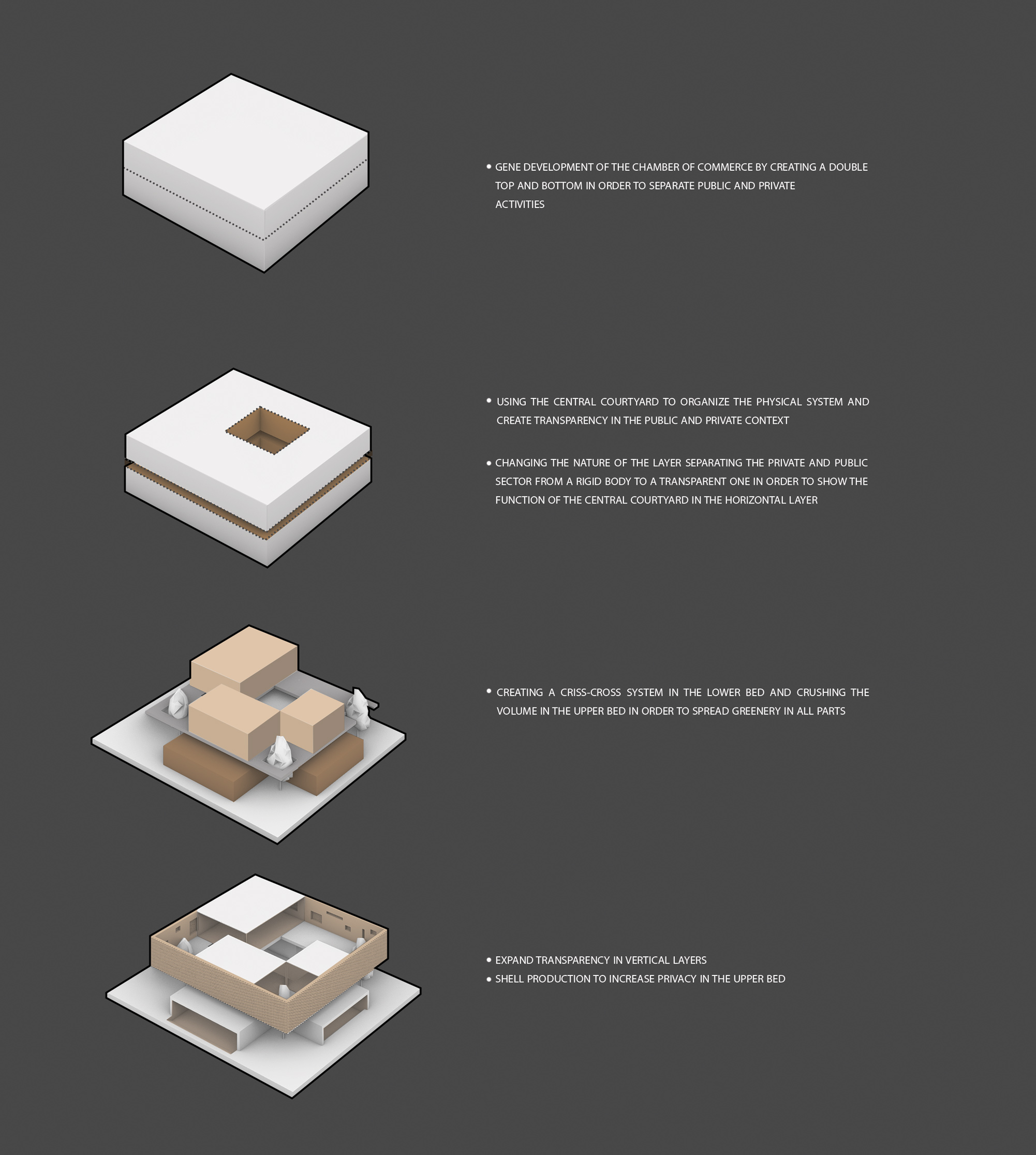
The concept of the central courtyard has long been a defining element in the spatial and functional organization of traditional houses in the hot and arid climates of Iran, particularly in cities like Isfahan. Variations in scale, symmetry, and the ratio of built to open space have played a critical role in shaping the surrounding rooms and façades. The underlying belief was that sunlight served as the key determinant in spatial arrangement — the courtyard was designed primarily to capture and distribute light. Consequently, courtyards were built according to the golden proportions of Iranian architecture, maximizing solar access while maintaining harmony and balance. Beyond its environmental role, the courtyard was also a central space for living, interaction, and connection among different parts of the house.
Design Advantage
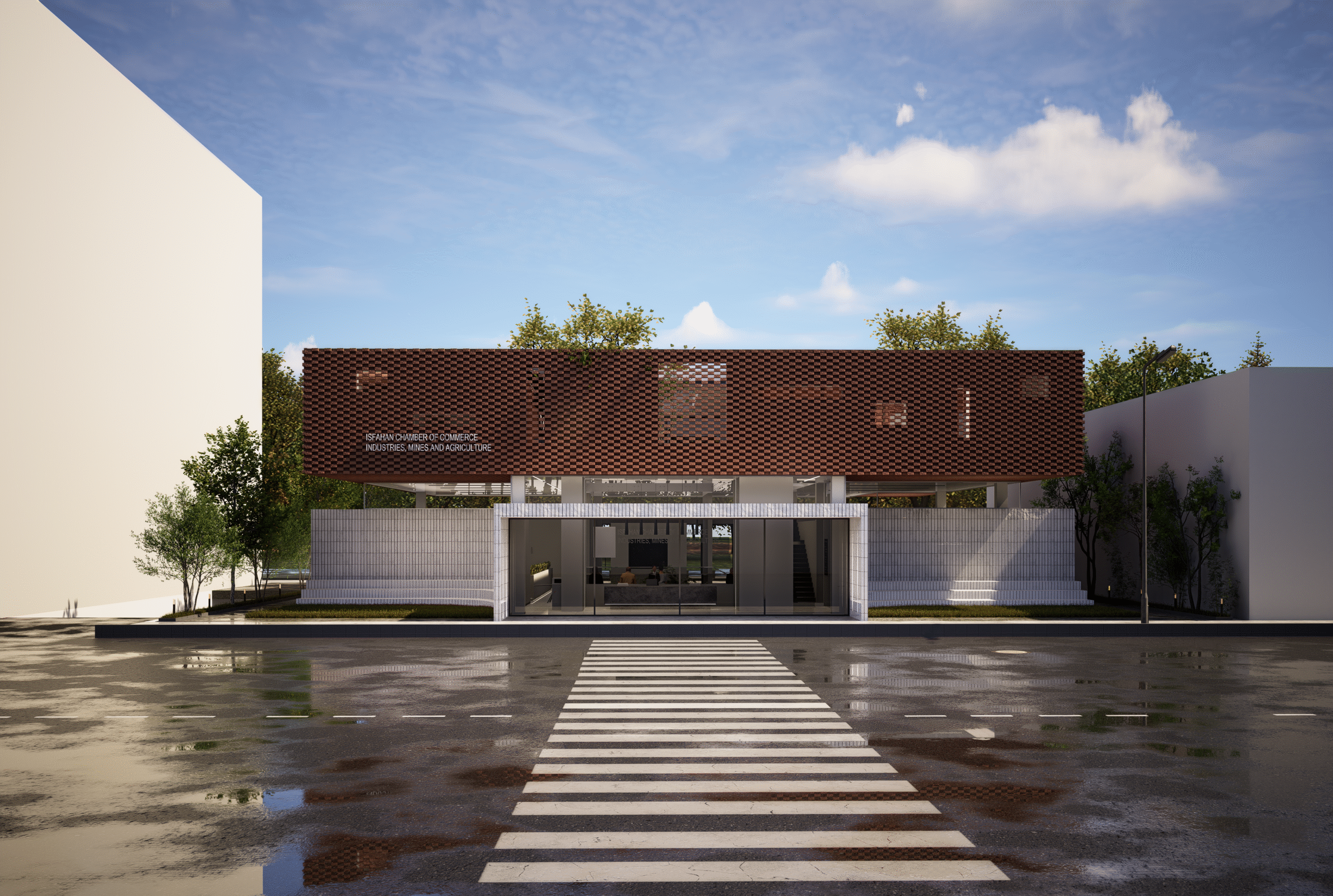
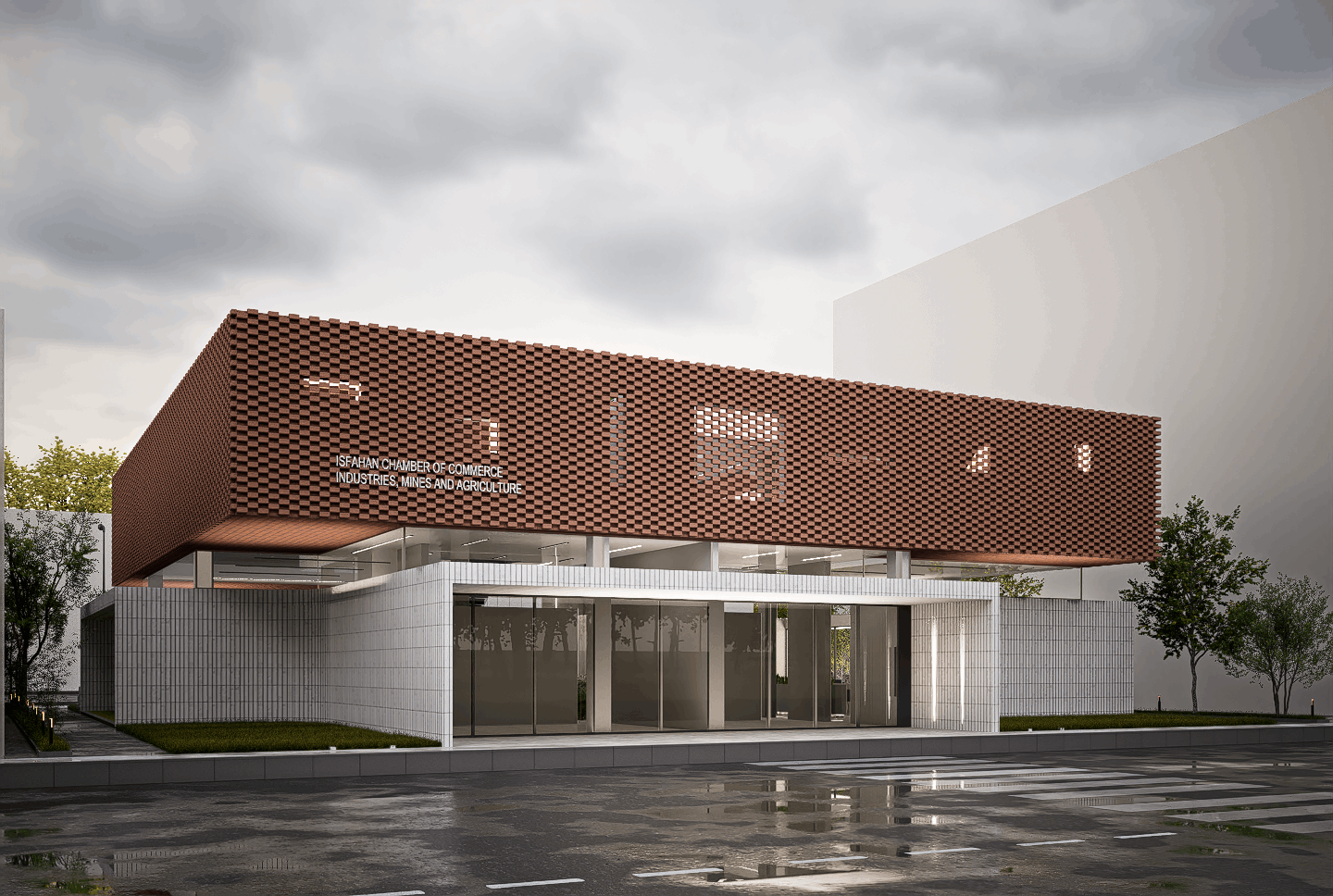
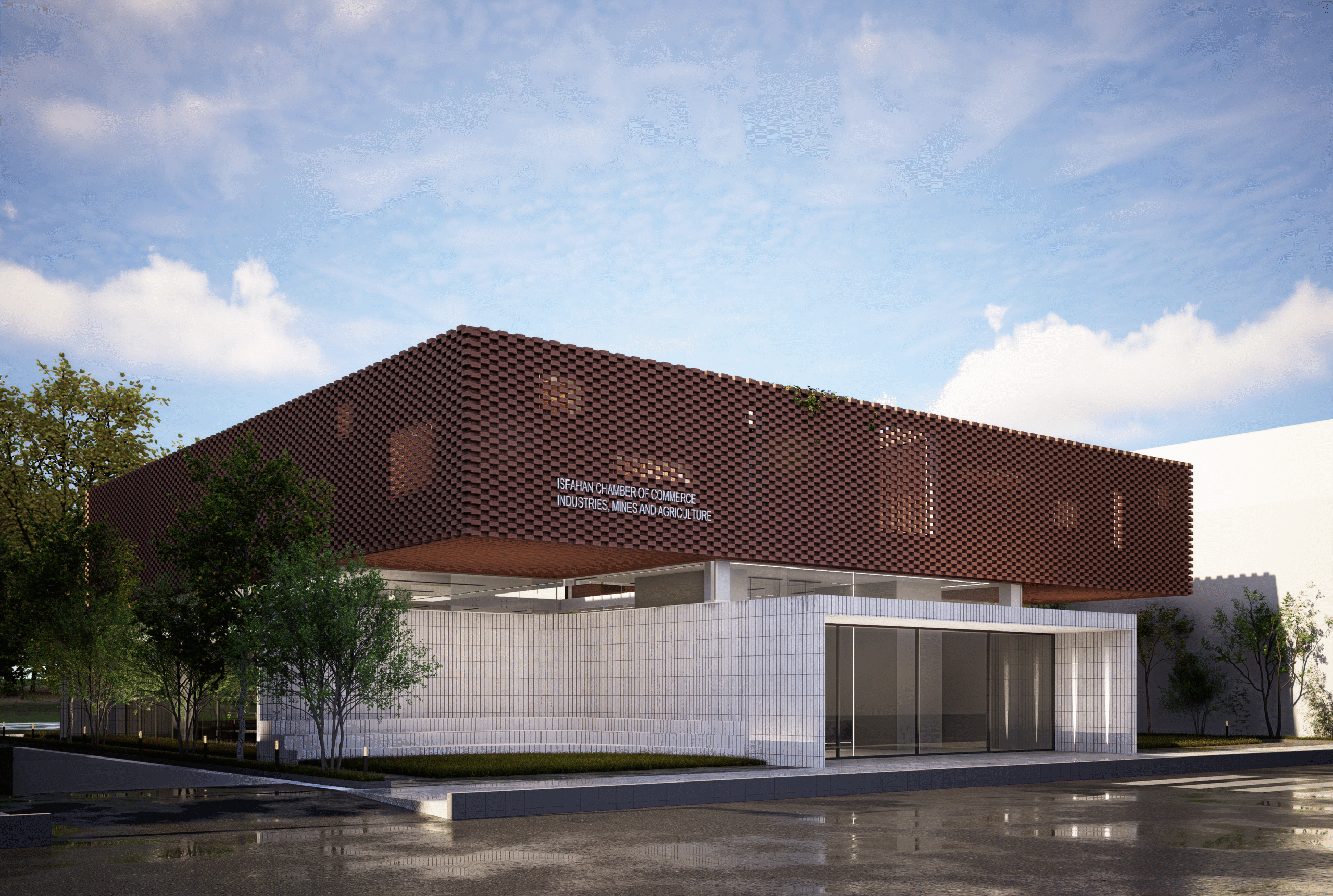
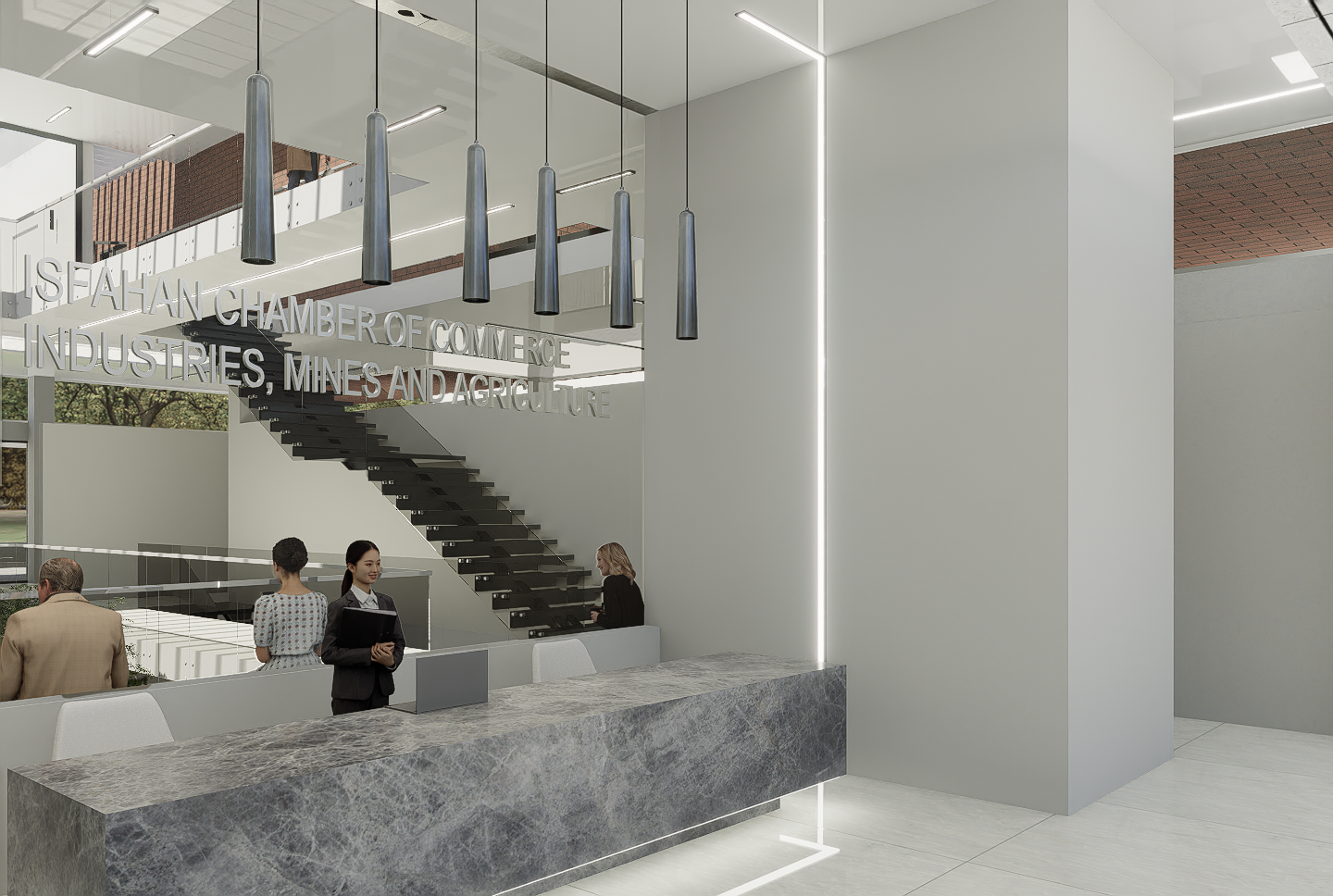
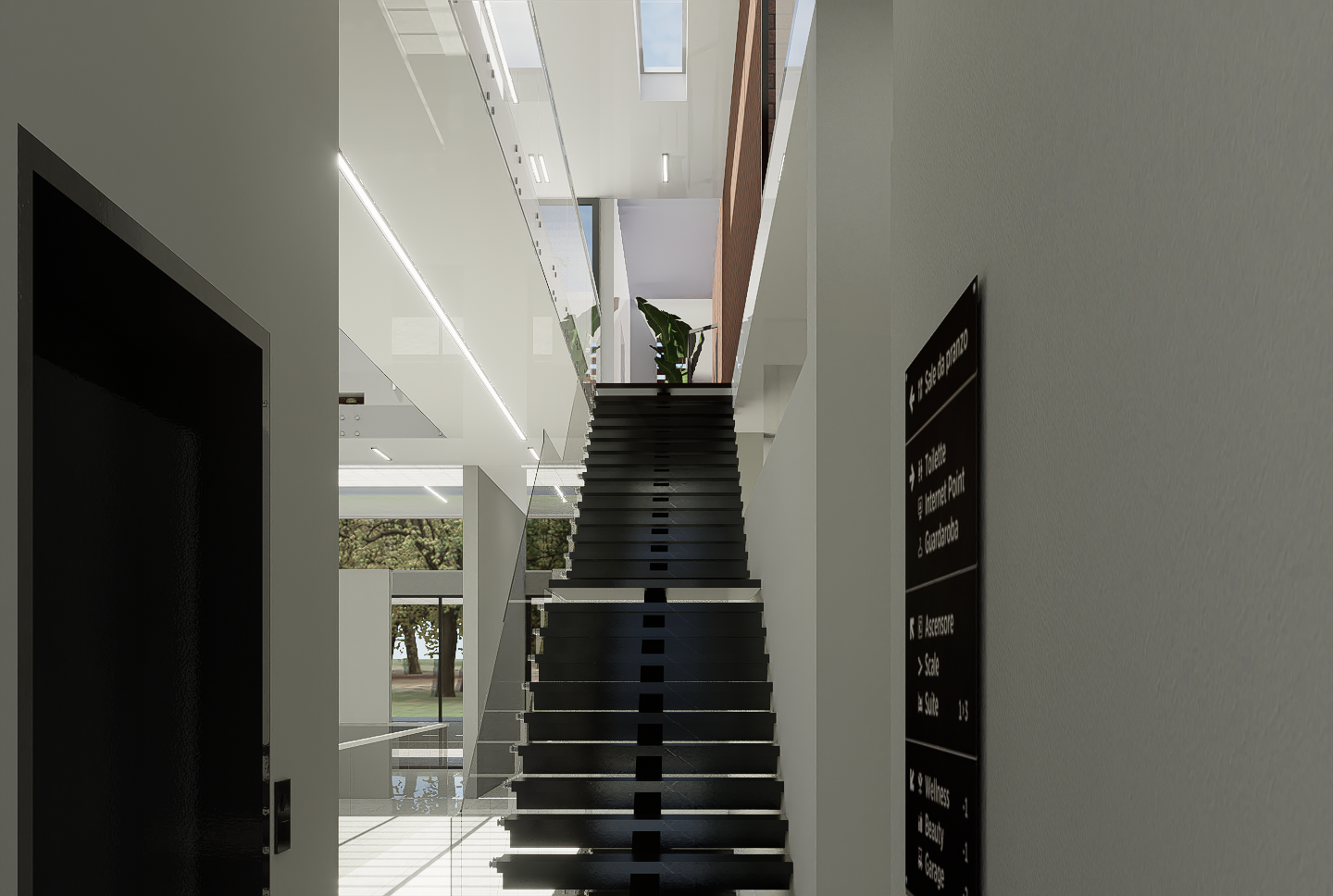
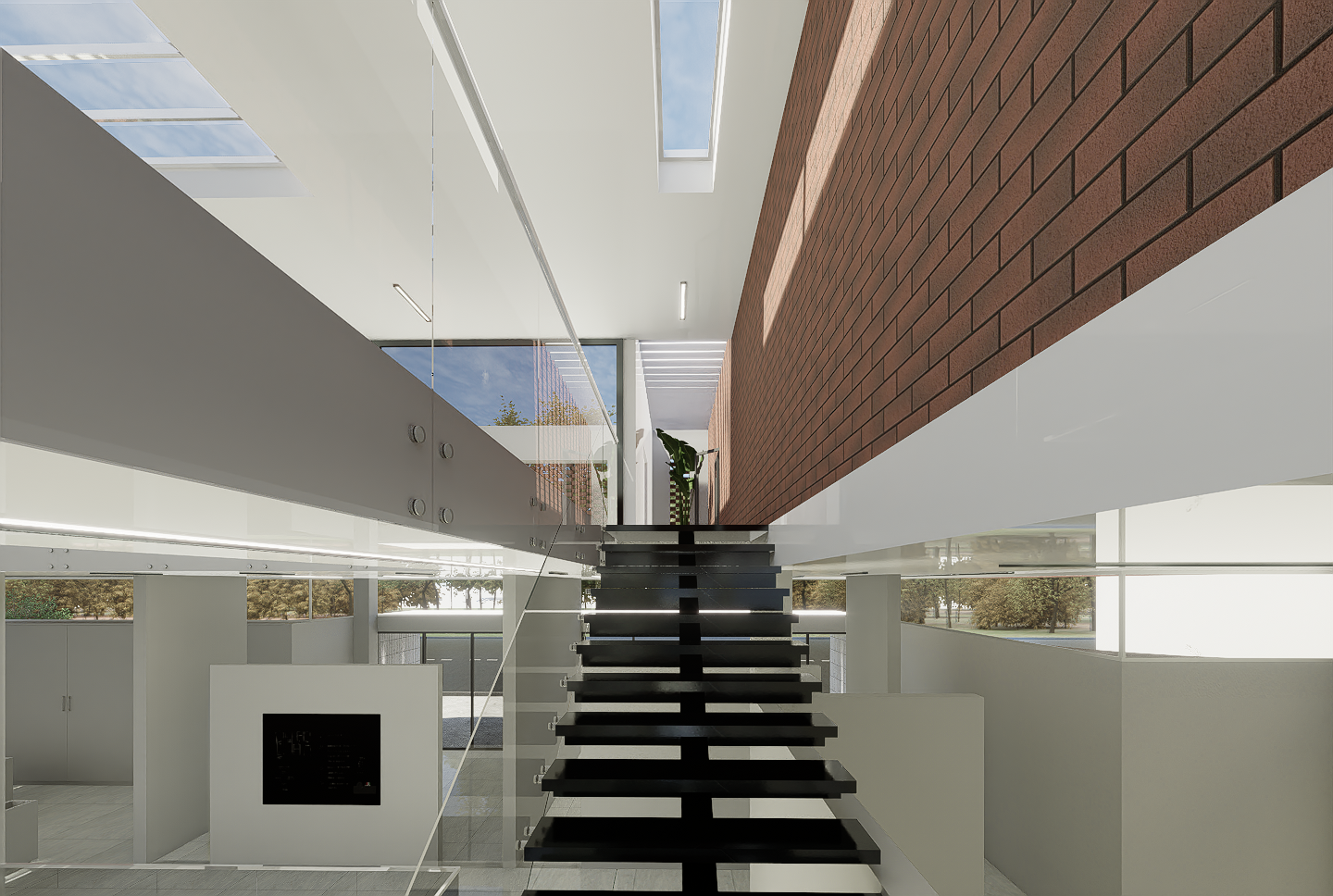
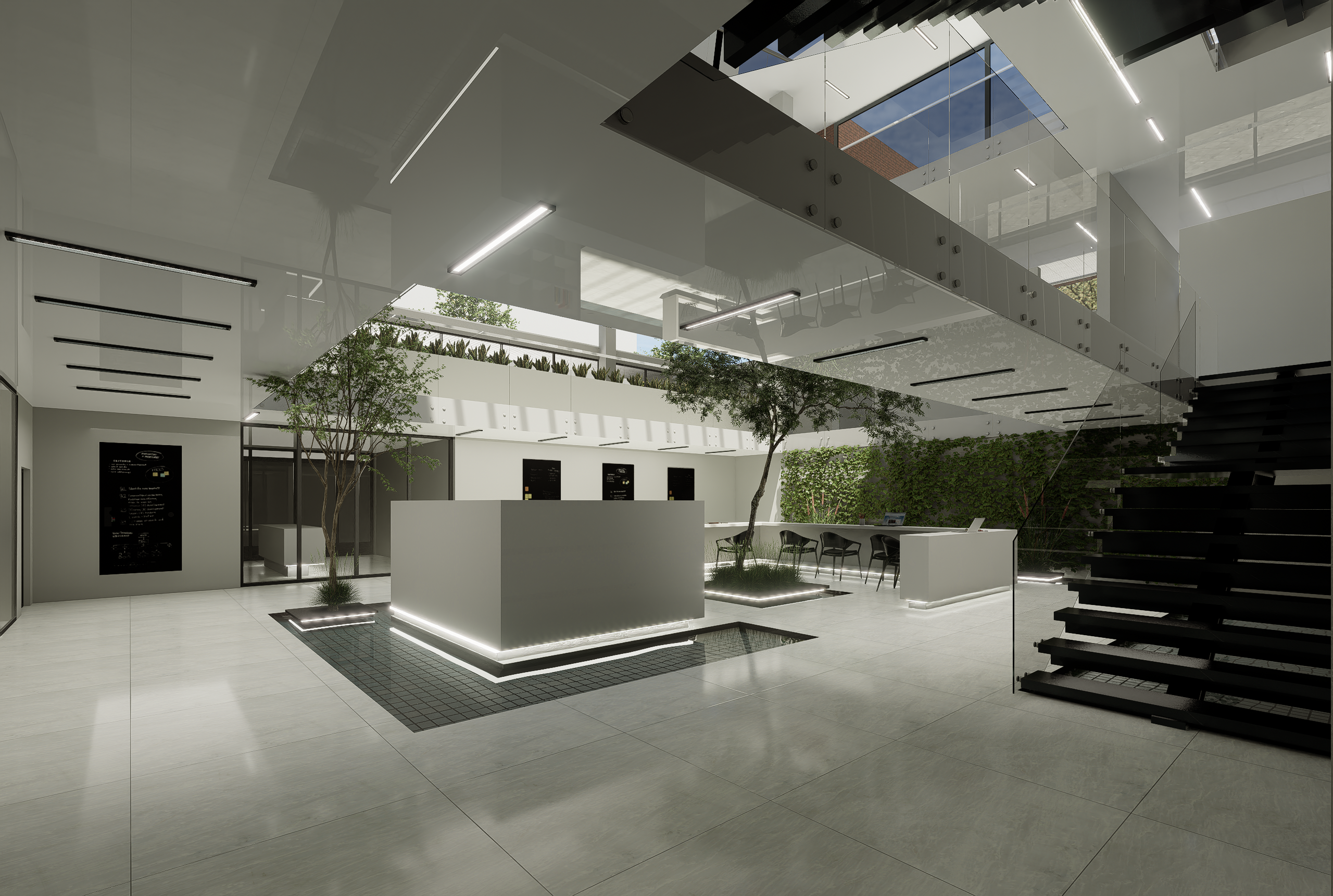
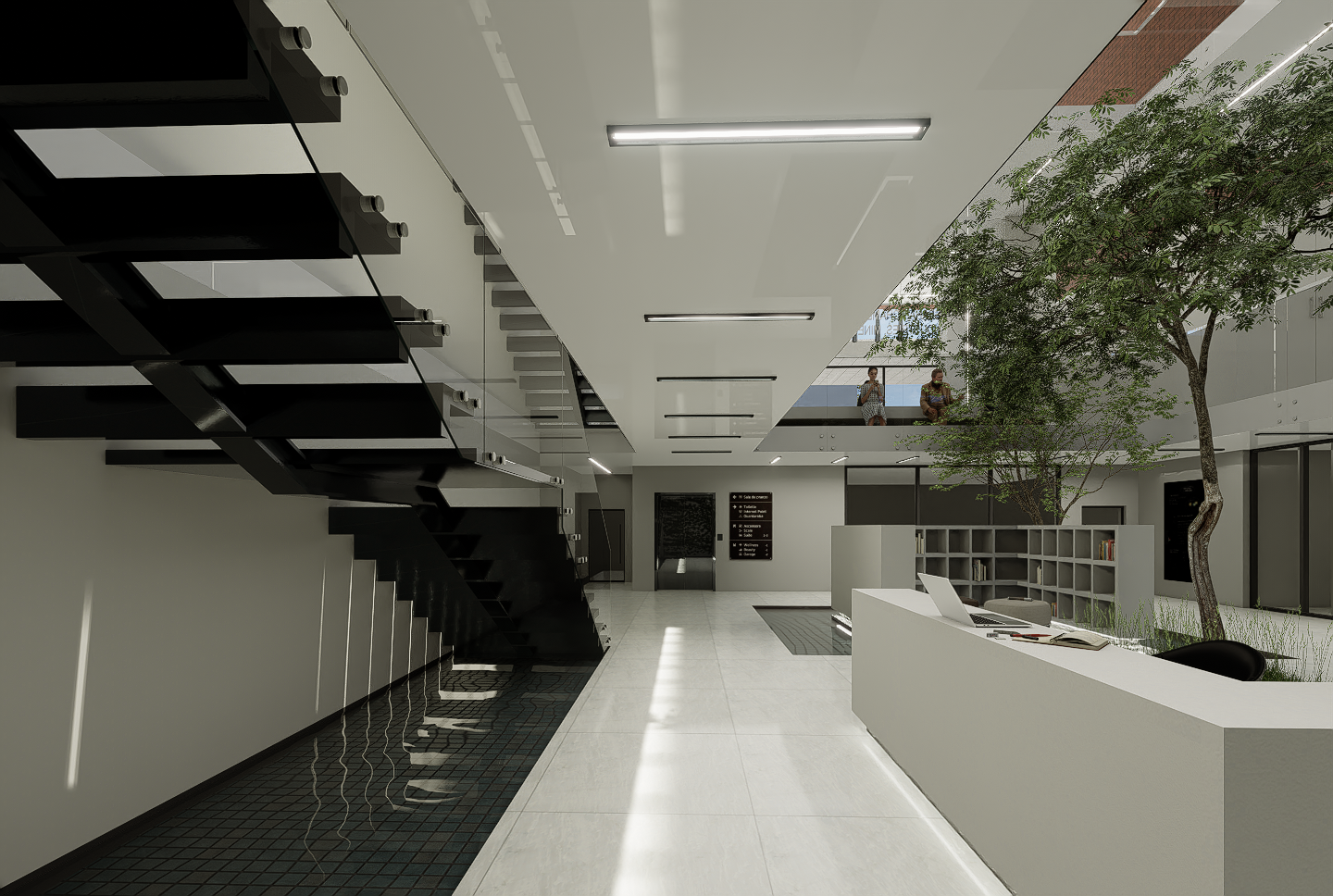
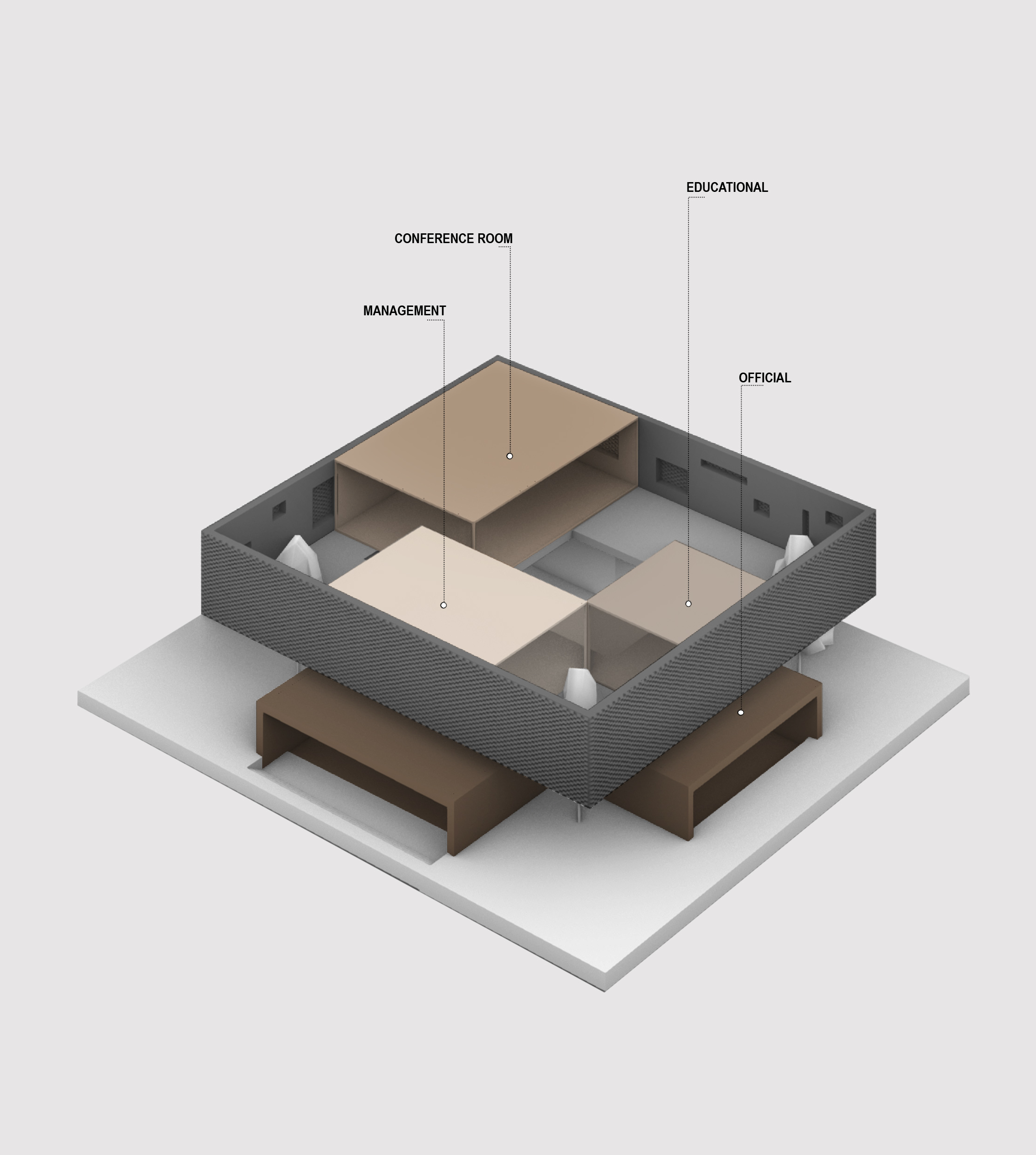
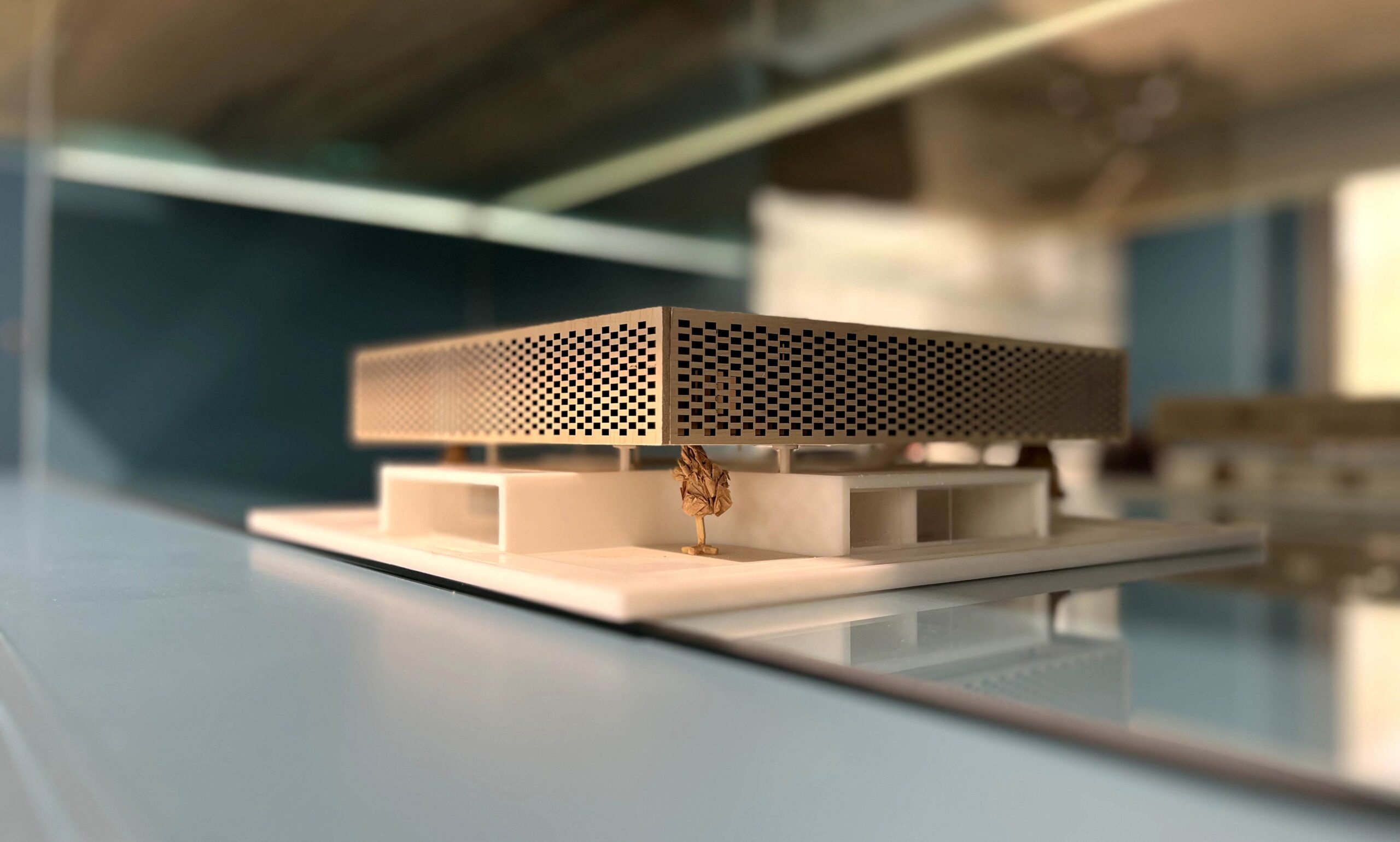
The project aims to develop the “genetic identity” of the Isfahan Chamber of Commerce through the creation of a dual-level organization — separating public and private activities while maintaining visual and spatial coherence. The design draws from the regional heritage of the central courtyard, responding to the hot climate while ensuring openness, privacy, and visual continuity throughout the building. The program is functionally divided into administrative, educational, and managerial zones, enabling a flexible yet unified spatial system.
Program and Function
Considering the economic potential of Shahreza, the site was envisioned as a commercial and business hub for the city — serving as a regional branch of the Isfahan Chamber of Commerce, Industries, Mines, and Agriculture. The project, with a total area of approximately 700 square meters, integrates administrative, educational, managerial, and communal spaces, designed to foster both professional activity and social exchange within a cohesive architectural framework.